https://www.aeverybody.com/strategic-turning-points-from-medieval-knights-to-modern-asymmetric-warfare/
On October 6, 1973, a sudden war erupted in the Middle East, shattering a brief period of peace in the region. This day coincided with Yom Kippur, the most sacred and solemn holiday in Judaism, yet Egypt and Syria launched a large-scale surprise attack on Israel almost simultaneously. This conflict, later known as the Yom Kippur War, not only shocked Israel but also profoundly altered the balance of power across the Middle East.
So how exactly did this war start? What larger geopolitical struggles lay behind it? Let’s take a closer look.
1. Background: The Aftermath of the Six-Day War
The Six-Day War of 1967 was a crucial turning point. That swift conflict saw Israel perform exceptionally well, defeating the allied forces of Egypt, Syria, and Jordan, and seizing key territories such as the Sinai Peninsula and the Golan Heights.
Although victorious, Israel’s success deeply angered the Arab nations—especially Egypt and Syria—who had long been plotting revenge. So from the moment the war ended, preparations for the next conflict were quietly underway.
2. Surprise Attack: Choosing the “Quietest” Moment to Strike
On October 6, 1973, Egypt and Syria picked what seemed like the least likely time to wage war—the solemn Jewish holiday of Yom Kippur. Most Israeli soldiers were on leave or at home, and intelligence vigilance was relaxed.
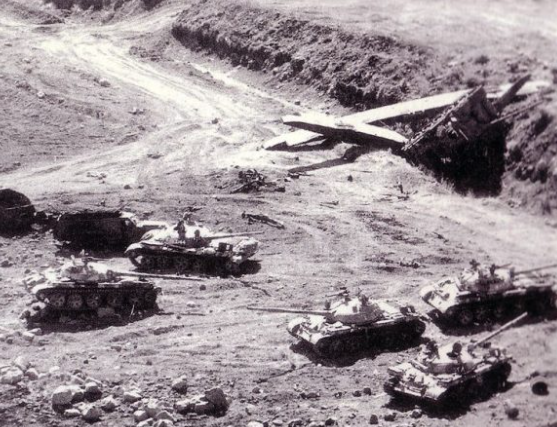
Egyptian forces swiftly crossed the Suez Canal and advanced into the Sinai Peninsula. Meanwhile, Syrian troops launched a fierce assault on the Golan Heights. Suddenly, Israel’s frontlines were in grave danger, and the situation looked extremely critical.
This tactic—attacking on a holy day—caught Israel completely off guard and stands as a major intelligence failure.
3. Israel’s Counterattack: From Near Collapse to Turning the Tide
At the war’s start, Israel almost couldn’t hold. Troops were stretched thin, armored units were destroyed, and the capital Tel Aviv was gripped by panic.
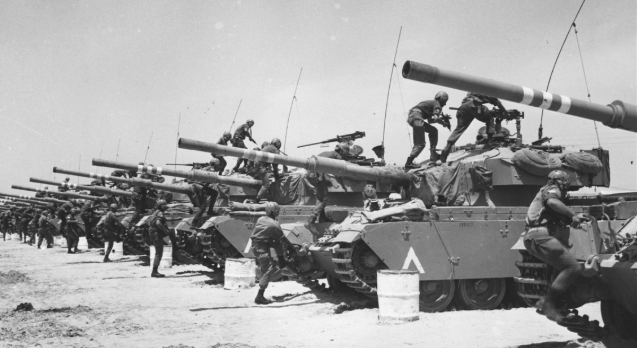
But the Israeli government quickly mobilized nationwide, completing a massive conscription and redeployment within days. The United States also stepped in with crucial support, airlifting vast amounts of weapons and equipment.
By mid-October, the situation reversed dramatically: Israeli forces broke through Egyptian defenses in Sinai and even crossed the Suez Canal to encircle Egypt’s Third Army; on the Golan Heights, they repelled Syrian advances and pushed close to Damascus.
4. Superpowers Intervene
This war wasn’t just a regional fight—it deeply involved the Cold War rivalry. The Soviet Union supplied the Arab states with weapons, while the United States firmly backed Israel.
As fighting intensified, both superpowers feared escalation into nuclear conflict. Under intense UN and diplomatic pressure from both sides, a ceasefire was reached in late October.
Though Israel held its ground and gained an upper hand later, Egypt’s initial successes—especially crossing the Suez Canal—restored Arab morale and provided a symbolic victory.
5. Far-Reaching Impact: End of War, Beginning of New Power Play
Though lasting only about three weeks, the Yom Kippur War had lasting effects:
The Middle East power dynamics shifted. Arab states realized defeating Israel by force alone was extremely difficult; Israel acknowledged it wasn’t invincible and had to take neighboring countries’ strength seriously.
Egypt moved towards peace. Six years later, Egyptian President Anwar Sadat visited Israel and signed the landmark Camp David Accords in 1979, becoming the first Arab leader to officially recognize Israel.
The global energy crisis erupted. After the war, OPEC reduced oil supplies to countries supporting Israel, triggering the 1973 worldwide oil shock that sent prices soaring and severely impacted economies.
6. Conclusion: A War that Shook the World
The Yom Kippur War was more than a military conflict—it was a complex entanglement of politics, religion, ethnicity, and resources. It marked a watershed moment in Middle Eastern history and made the world realize that the region’s problems couldn’t be solved by war alone.
From surprise attack to diplomacy, from battlefields to negotiations, this “key battle” reshaped Middle Eastern power and sowed the seeds for decades of ongoing rivalry.
https://www.aeverybody.com/strategic-turning-points-from-medieval-knights-to-modern-asymmetric-warfare/