https://www.aeverybody.com/the-fall-of-napoleon-from-leipzig-to-waterloo/
When you think of Napoleon, the first image is often his fierce, unstoppable spirit—winning battle after battle, from Italy to the stunning victory at Austerlitz. He reached the peak of European power. But in 1813, the massive Battle of Leipzig—larger even than Waterloo—became a turning point where his glorious empire began to crumble. This battle marked Napoleon’s shift from initiative to being forced on the defensive. How did he go from confident dominance to passive defense? Let’s explore.
1. Background: The Russian Campaign Disaster in 1812 — Napoleon Falls from Grace
To understand Leipzig, we must look back to 1812. Ignoring advice, Napoleon launched a massive invasion of Russia, only to be devastated by the harsh winter. Out of over 500,000 troops who marched in, only tens of thousands returned. The losses were catastrophic.
This shattered Napoleon’s “invincible” reputation in Europe. His suppressed enemies—Prussia, Austria, Russia—saw their chance. They formed the Sixth Coalition to strike while he was weak.
2. Early Offensives but Waning Strength: The French Predicament
In spring and summer of 1813, Napoleon still had chances to turn the tide. Despite heavy losses, he assembled a new army and launched offensives on the eastern front. Early battles like Lützen and Bautzen were tactical victories against the Russo-Prussian forces.
However, France was no longer the powerhouse it had been five years earlier. Manpower was strained, supplies lagged, veteran generals had died, and many new recruits lacked experience. Though Napoleon could still fight, his entourage was no longer the same.
To make matters worse, Austria joined the Coalition, swelling enemy ranks. What was once a three-front war became a four-sided encirclement. Napoleon had no choice but to shift from offense to defensive counterattacks.
3. The Battle of Leipzig Begins: Napoleon Forced to Hold the Line
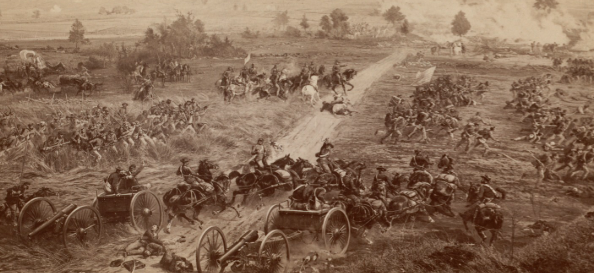
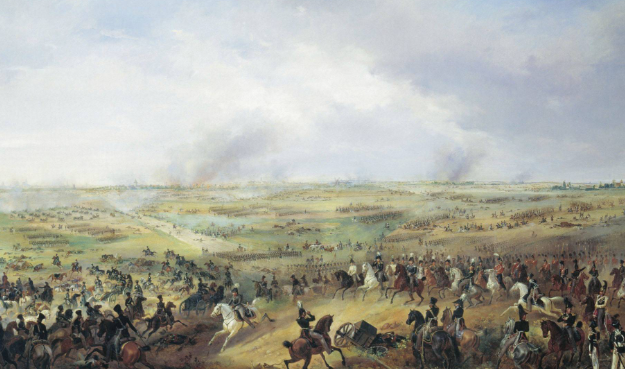
From October 16 to 19, 1813, the Battle of Leipzig unfolded. Known as the “Battle of Nations” because four major powers—Russia, Prussia, Austria, and Sweden—fought together, the Coalition fielded over 200,000 troops against Napoleon’s roughly 140,000.
The French took defensive positions near Leipzig city, initially holding off the attackers. But Coalition reinforcements kept arriving, while Napoleon’s supply lines were severed, making it difficult to sustain the defense.
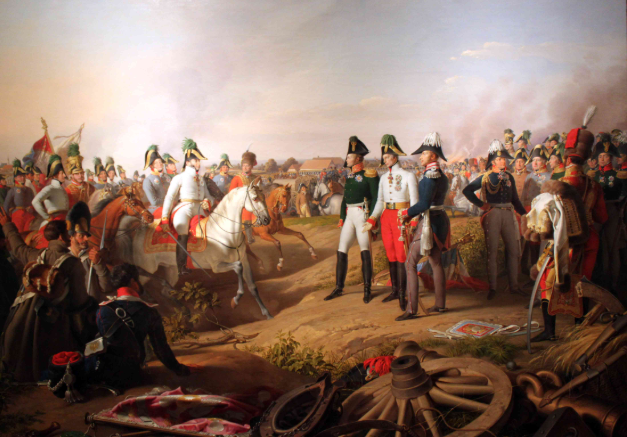
Napoleon had also hoped for support from his Saxon allies, but during the battle, the Saxon troops switched sides and turned their weapons on the French. This betrayal severely damaged French morale.
4. Tactical Mistakes and Collapse: Napoleon Cornered with No Way Out
Napoleon’s signature tactics—feints and rapid decisive strikes—were impossible to execute while surrounded and outnumbered at Leipzig.
Even worse, during the retreat, a critical bridge connecting the city to the rear was blown up prematurely, trapping many French soldiers and equipment inside the city, forcing them to surrender or be destroyed. This lost bridge was essentially Napoleon’s “pre-Waterloo” disaster.
5. Aftermath: The French Empire Begins to Disintegrate
Following defeat at Leipzig, Napoleon was forced to withdraw westward, losing all influence in Germany. Formerly allied small states turned hostile. France lost its buffer zones and strategic depth.
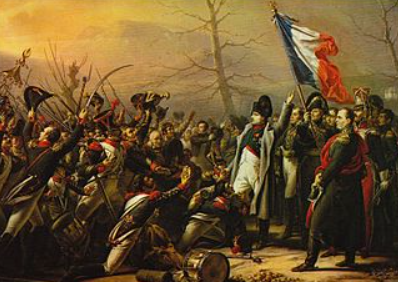
Six months later, Coalition forces reached Paris, forcing Napoleon’s first abdication and exile to Elba. Though he returned briefly during the Hundred Days, strategically, Leipzig sealed the fate of his empire.
Summary: A Genius Commander’s Struggle Like a Cornered Beast
Leipzig was not Napoleon’s worst defeat, but it marked the decisive turning point from victory to collapse. He went from controlling the battlefield to being encircled and forced into defensive battles, struggling with dwindling troops against a united Europe.
Napoleon’s dilemma reflected the limits of imperial expansion—exhausted resources and relentless enemies. Leipzig split his “glory days” from his empire’s downfall, becoming the dividing line in history.
https://www.aeverybody.com/the-fall-of-napoleon-from-leipzig-to-waterloo/