https://www.aeverybody.com/turning-points-of-history-decisive-battles-that-shaped-the-modern-world/
At the end of the 3rd century BCE, the Mediterranean coast was once again alive with turmoil. Carthage, the city-state that once dominated commerce and naval power, faced an unprecedented challenge—the mighty Roman Republic.
After several large-scale wars, Carthage’s space for survival had shrunk dramatically, yet the courage and spirit of resistance of its people never waned. This history gave rise to the “Carthaginian Revolt,” a story steeped in blood and fire.
Background: The Fateful Rivalry Between Rome and Carthage
Carthage, located along today’s Tunisian coast, was a dominant commercial and naval power in the ancient Mediterranean. Meanwhile, the Roman Republic was rapidly rising on the Italian Peninsula, boasting disciplined armies and ambitious expansion. The tension between the two powers grew increasingly irreconcilable.
After the Second Punic War, Carthage survived but was forced to cede overseas territories and disband much of its military, suffering severe economic and military setbacks. Roman control over Carthage ignited a strong desire for revenge within this ancient city.
The Spark of Rebellion
In 149 BCE, Rome, fearing Carthage’s potential resurgence, demanded the complete disarmament of the city. Carthaginian citizens, seeing the threat to their survival, decided to take up arms for one final struggle. This revolt was not led by a single commander but was a collective effort of the city’s residents and soldiers. With no way back, everyone knew this might be their last stand to defend their city and homeland.
Preparations: The City Becomes a Battlefield
Carthage’s residents mobilized quickly, reinforcing city walls, stockpiling food, and urgently producing bows, catapults, and other weapons. Every street and building could become a frontline. Citizens were not only soldiers but also managed logistics and medical care, turning the city into a massive military fortress.
At the same time, Rome did not sit idle. Experienced generals led well-trained legions, preparing to completely crush the rebellious city.
The Clash: A Trial of Blood and Fire
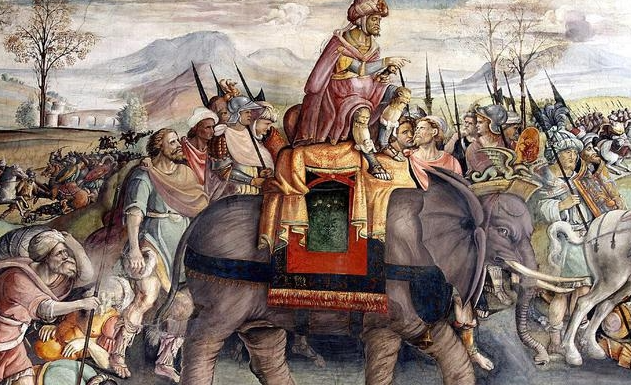
When the revolt broke out, Carthaginians used their knowledge of the terrain to engage in fierce urban warfare. Narrow streets, underground tunnels, and strong walls initially trapped the Roman forces. Carthaginian soldiers and citizens fought fiercely with bows, stones, and fire, launching night raids and ambushes to disrupt Roman advances.
However, disciplined Roman troops with superior siege engines gradually suppressed the resistance. Over several months of siege, Carthaginian residents faced dwindling food supplies and mounting casualties, yet they refused to surrender. Each encounter became a life-or-death struggle.
Final Struggle and Fall
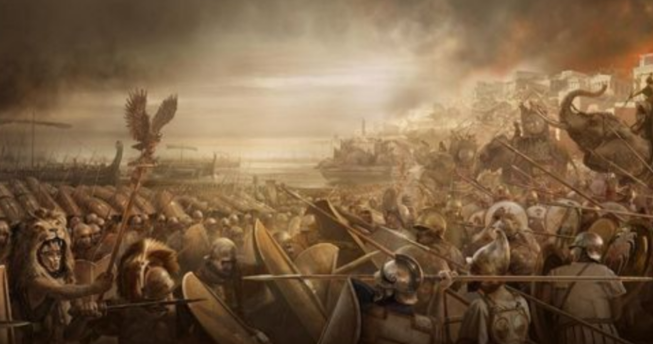
After three years of back-and-forth conflict, Rome finally found a breakthrough. In 146 BCE, Roman forces entered the city, unleashing a brutal slaughter. Despite valiant resistance, Carthaginians could not change the outcome against overwhelming power. The city was completely destroyed, walls leveled, houses burned, and countless residents killed or enslaved. Carthage, once a shining metropolis, was reduced to ruins.
Historical Significance: Courage and Tragic Heroism
Although the Carthaginian revolt ended in defeat, the courage and perseverance of its people left a deep mark on history. It demonstrated the spirit of an ancient civilization fighting for survival and inspired later generations to reflect on war, power, and resistance. Rome eliminated a major western Mediterranean rival and cleared the way for centuries of expansion.
Conclusion
Looking back on the Carthaginian revolt—the burning walls, the determined defenders, the endless blood and fire—it reminds us that history belongs not only to the victors but also to those who resist in the face of impossible odds. Carthage’s final struggle stands as a symbol of courage and a poignant, unforgettable chapter in human civilization.
https://www.aeverybody.com/turning-points-of-history-decisive-battles-that-shaped-the-modern-world/