https://www.aeverybody.com/strategic-turning-points-from-medieval-knights-to-modern-asymmetric-warfare/
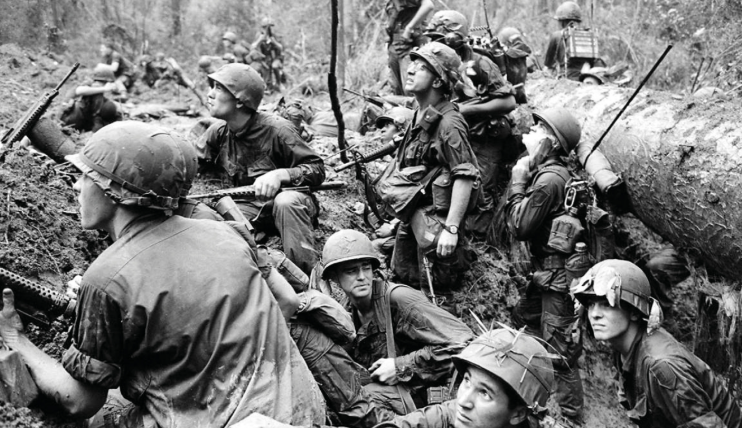
The Vietnam Anti-American guerrilla war is one of the most classic examples of asymmetric warfare in the 20th century. At the time, the United States was one of the world’s strongest military powers, equipped with advanced weapons and a massive army. Yet, Vietnam’s guerrilla tactics caused them considerable trouble.
This war was not only a military contest but also a battle of psychology, strategy, and culture. Let’s break down why the Vietnamese guerrilla war was so effective from four aspects: geography, tactical strategy, civilian support, and psychological warfare.
Jungle Environment: A Natural Battlefield Shield
Vietnam’s geography was perfect for guerrilla warfare. Vast tropical jungles, rugged mountains, and complex rivers made it difficult for the U.S. military to fully leverage its mechanized and air force advantages.
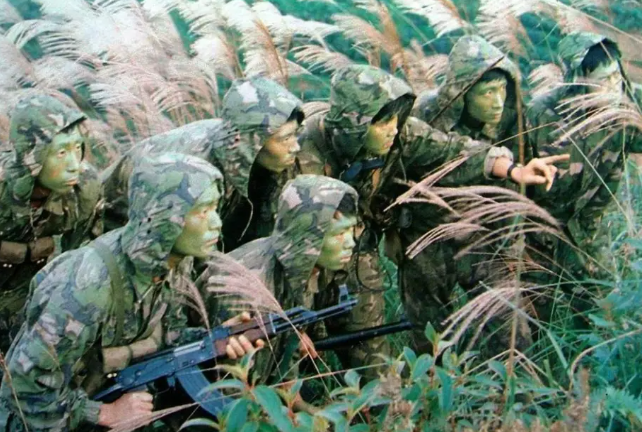
The Vietnamese guerrillas were intimately familiar with the terrain, allowing them to move quickly and hide in the jungle, establishing temporary bases and hiding spots.
In the jungle, it was easy for guerrillas to lay mines, set traps, and ambush points. They could strike small American units and then retreat, avoiding head-on clashes.
Although the U.S. troops were well-equipped, the unfamiliar, humid, and disease-ridden jungle seriously affected their morale and operational effectiveness.
Flexible and Varied Guerrilla Tactics
Vietnamese guerrillas avoided large-scale frontal battles typical of regular armies, instead relying on flexible tactics to gain strategic advantage.
Small-unit rapid strikes: Guerrillas operated in small groups, randomly attacking U.S. outposts, supply convoys, or checkpoints, hitting morale hard.
Hit-and-run tactics: They hid during the day and attacked at night to maximize surprise.
“Ant swarm” strategy: Frequent small-scale attacks continuously drained enemy resources and kept U.S. forces constantly on edge.
Psychological warfare: Guerrilla attacks targeted not only physical assets but also the psychological state of U.S. soldiers, keeping them tense and anxious.
Civilian Support: The Key to Success
The success of the guerrilla war relied heavily on civilian support. Rural populations provided food, intelligence, and hiding places, forming a kind of “human shield” tactic.
Mass participation: U.S. forces, despite their technological superiority, could not easily distinguish civilians from combatants; local intelligence became essential for guerrilla operations.
Political mobilization: The Vietnamese Communist Party promoted nationalist awareness, framing the war as a just struggle for national independence.
Integration with daily life: Guerrillas lived closely with civilians, making it hard for enemy troops to identify them—like “fish in water”—allowing guerrilla operations to continue over time.

Psychological Warfare and Prolonged Combat
Guerrilla warfare was not only a physical struggle but also a victory of the mind.
Morale depletion: U.S. troops faced constant ambushes and unpredictable threats, leading to immense psychological stress.
Information control: Guerrillas used propaganda, rumors, and intimidation to instill distrust and fear in enemy forces.
Strategic patience: The goal was not immediate victory but long-term attrition, gradually wearing down U.S. forces through both physical and psychological exhaustion.
Strategic and Historical Impact
The success of Vietnam’s guerrilla war demonstrates a model of asymmetric warfare.
War lessons: Even against a stronger opponent, flexible tactics, civilian support, and psychological warfare can compensate for technological shortcomings.
Military theory development: Guerrilla strategies became widely studied and referenced by groups resisting powerful nations worldwide.
Historical significance: The war not only repelled foreign domination but also strengthened national independence, becoming a classic case of military and political integration in modern history.
Conclusion: Wisdom and Resilience in the Jungle Fog
During the Vietnam War, it was clear that victory wasn’t just about who had better weapons. The jungle itself acted as a natural shield, allowing small units to operate invisibly and frustrate the enemy.
With the support of civilians and the use of psychological tactics, U.S. forces were constantly on edge, exhausted and demoralized. Victory relied not just on clever tactics but also on the will and resilience of an entire nation.
In the dense jungle fog, Vietnamese guerrillas achieved the impossible with small forces overcoming larger ones, creating a legendary example of asymmetric warfare. This demonstrates that war is not only a contest of strength but also of intelligence and endurance.
https://www.aeverybody.com/strategic-turning-points-from-medieval-knights-to-modern-asymmetric-warfare/