https://www.aeverybody.com/decisive-european-battles-the-crucible-of-vienna-the-marne-and-verdun/
When people think of World War I, they often picture “trench warfare,” “constant artillery fire,” and a seemingly never-ending war of attrition.
The Battle of Verdun stands as the epitome of this brutal, prolonged struggle. It was not only one of the longest and deadliest battles of WWI but also earned the grim title of “hell on earth” in human history.
So what exactly happened at Verdun? And why is it called an “endless hell”?
1. Background: A Duel of Strategy and Morale
By 1916, World War I had been raging for over two years, and the Western Front had become deadlocked. To break this stalemate, Germany decided to concentrate its forces to attack the small French town of Verdun in the northeast. Their goal was to wear down the French army and crush their morale through a massive offensive.
Although Verdun was not especially important geographically, it held symbolic significance for the French as a “line that must never be lost.” The Germans knew that capturing Verdun would deal a huge blow to French morale.
2. The Offensive Begins: Artillery Barrage from Hell
On February 21, 1916, the German army launched one of the fiercest artillery bombardments in history, unleashing over 1,600 cannons that thundered continuously for hours. This barrage turned the battlefield into a sea of shattered rocks and craters, with the air thick with smoke and dust.
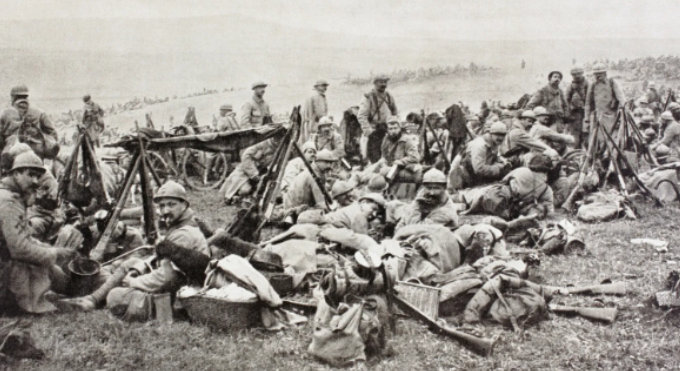
What followed was a nightmare: French soldiers fought desperately in trenches filled with poison gas and explosions, forced to endure filthy, waterlogged conditions. The narrow, damp trenches subjected them not only to enemy fire but also hunger, disease, and psychological collapse.
3. War of Attrition: Bloody Back-and-Forth
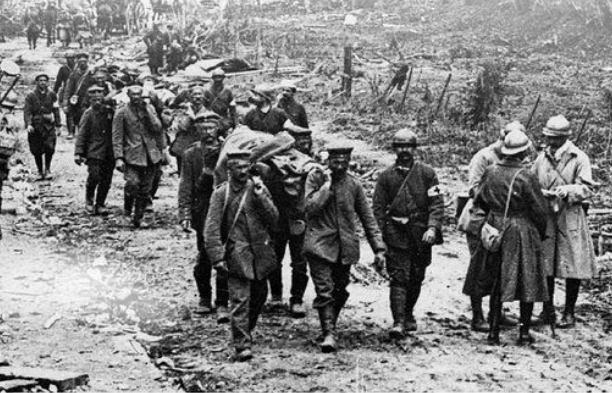
The battle did not end quickly as the Germans had hoped. Instead, it became a prolonged tug-of-war lasting nearly a year and a half. Both sides launched attack after attack, firing millions of rounds and leaving hundreds of thousands dead on the battlefield.
The French troops were incredibly resilient, steadfastly defending their positions under extreme conditions, continually sending fresh soldiers to hold the line. The Germans were equally relentless, repeatedly charging in attempts to break through French defenses.
4. Significance: A Grim Lesson in Modern Industrial Warfare
The Battle of Verdun resulted in over 300,000 deaths and hundreds of thousands more wounded on both sides. This “endless hell” was the first true demonstration of the savage destructiveness of modern industrialized warfare.
Although Verdun did not decisively change the war’s outcome, it severely weakened the German army and diminished their capacity for future offensives.
At the same time, the battle inspired fierce national pride among the French and became a powerful symbol of resistance.
5. Conclusion: Verdun’s Blood and Tears—A History Never to Be Forgotten
The Battle of Verdun was more than a tactical clash—it was a test of will and spirit. Countless soldiers endured the relentless bombardment and mud, fighting courageously to survive and defend their country. Their sacrifices remind us of war’s true horrors.
Today, as we stand before the memorials at Verdun, we honor the fallen and remember the lessons of history: war is never a game for heroes, but a tragic catastrophe that brings suffering and loss.
https://www.aeverybody.com/decisive-european-battles-the-crucible-of-vienna-the-marne-and-verdun/