https://www.aeverybody.com/the-ultimate-guide-to-world-war-ii-turning-points-decisive-battles-that-shaped-history/
In the summer of 1940, the European theater of World War II was in constant flux. Germany had achieved consecutive victories on the continent, occupying France, Belgium, and the Netherlands. However, when it set its sights on Britain, it encountered unexpected resistance—this was the Battle of Britain. This aerial confrontation not only determined the survival of the UK but also had a profound impact on the course of the European war.
- Background: Germany’s Blitz and Britain’s Defense
The German military had been advancing rapidly across continental Europe. Hitler planned to further invade Britain using a combination of “naval blockade and aerial bombardment” to force a surrender. However, Britain had a powerful Royal Air Force (RAF) and ground-based air defense systems. The British understood that losing air superiority would jeopardize sea supply lines and cities, so they devoted all efforts to defending the skies.
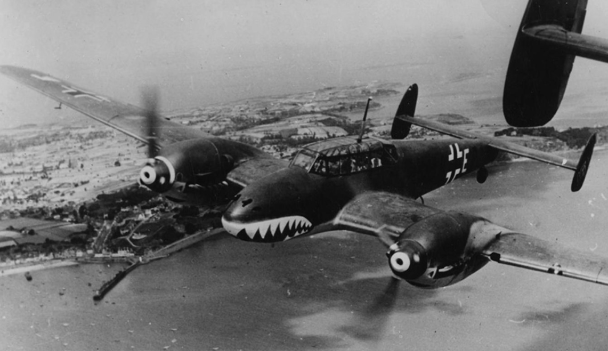
In July 1940, the German Luftwaffe began air raids on southern England and key cities, aiming to destroy the RAF, weaken Britain’s defenses, and prepare for a large-scale invasion, code-named Operation Sea Lion.
- Air Combat Strategies: Targeting Both Mind and Matter
The key to the Battle of Britain lay in the tactical contest between the two sides. Germany adopted a strategy of “concentrated bombing of airbases and radar stations” to quickly deplete RAF strength, believing that destroying air command networks would pave the way for invasion.
Britain, however, leveraged terrain advantages and radar systems to intercept enemy aircraft with precision. The RAF employed flexible strategies:
Dispersed Deployment and Rapid Reinforcement: Small fighter squadrons operated flexibly to avoid losing large numbers of aircraft in a single engagement.
Radar Command and Intelligence Advantage: Britain’s radar network allowed early detection of incoming enemy planes, enabling efficient fighter deployment.
Tactical Rotation: Aircraft and pilots rotated regularly to maintain sustained combat capability.
This battle was not only a physical confrontation but also a psychological one. Germany hoped that bombing cities would demoralize the population, but the British people displayed remarkable resilience, boosting RAF morale.
- Key Elements: Spitfires and Concentrated Attack Tactics
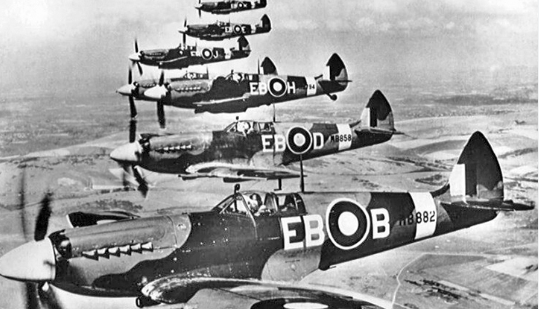
The RAF’s main fighters, the Spitfire and Hurricane, played a decisive role. Although outnumbered, the RAF aircraft were highly maneuverable, well-armed, and piloted by well-trained aviators, gradually tipping the balance in Britain’s favor.
Additionally, Britain adopted a strategy of “concentrating force to strike key targets.” When enemy formations became dense, Britain deployed concentrated attacks to avoid dispersing forces. German aircraft that encountered unexpected resistance or entered defended zones were often shot down, increasing German losses.
- Turning Point: Germany’s Air Raids Fail
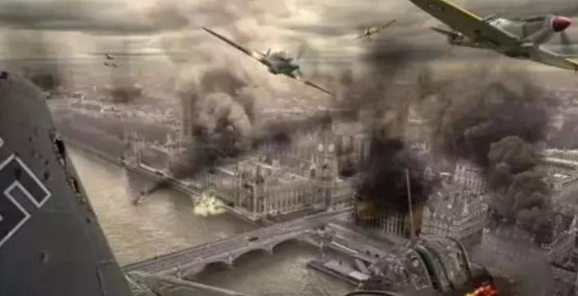
By September 1940, Germany shifted its focus to bombing London, aiming to force Britain to surrender through terror. However, this gave the RAF the chance to recover its strength, while the British populace’s steadfast resistance added enormous psychological pressure on Germany. After several weeks of intense aerial combat, the Luftwaffe failed to destroy the RAF and suffered heavy losses.
This phase marked the turning point of the Battle of Britain: the German air force could no longer gain air superiority, and plans to invade Britain were postponed. Britain not only retained its territory but also achieved a significant psychological victory.
- Strategic Significance: Holding the Skies, Changing the War
The victory in the Battle of Britain had far-reaching effects on World War II:
Prevented German Invasion of Britain: With air superiority unattained, Operation Sea Lion was canceled, and Britain became a crucial base for Allied operations in Europe.
Boosted Allied Morale: Britain’s determined resistance offered hope worldwide and became a symbol for anti-fascist forces.
Diverted German Strategic Resources: Germany had to reassess its strategy, turning instead to Operation Barbarossa (the invasion of the Soviet Union), opening the Eastern Front.
- Lessons and Conclusion
The Battle of Britain demonstrated that war is not only a contest of manpower and weapons but also of strategy, technology, and morale. Through flexible tactics, intelligence advantages, and civilian support, Britain successfully resisted a formidable enemy and secured its survival, laying the groundwork for later counteroffensives.
Looking back, the battle teaches us:
Technology Determines Tactical Efficiency: Radar and radio communications were crucial advantages.
Morale Is a Strategic Pillar: Determination and spirit can influence war outcomes.
Flexibility and Concentration of Force: Dispersed forces can handle multi-front threats while concentrated attacks strike key targets effectively.
The Battle of Britain was not only a turning point in WWII but also a classic case in military strategy: even against a superior enemy, intelligence, strategy, and resilience can change the course of a war and secure decisive victory.
https://www.aeverybody.com/the-ultimate-guide-to-world-war-ii-turning-points-decisive-battles-that-shaped-history/