https://www.aeverybody.com/the-ultimate-guide-to-world-war-ii-turning-points-decisive-battles-that-shaped-history/
When it comes to World War II, Nazi Germany’s Operation Barbarossa against the Soviet Union is an unavoidable major event. It was one of the largest military invasions in human history and a crucial turning point that changed the course of the war.
Today, let’s dive into this “blitzkrieg eastward” reckless plan—how it was designed, executed, and why it ultimately failed to meet Nazi expectations.
1. Background: The Ambitious Eastward Drive
In 1939, Germany and the Soviet Union signed the Molotov-Ribbentrop Pact, a non-aggression treaty that appeared to ensure peace between them. But in Hitler’s mind, the Soviet Union was Germany’s greatest threat. He believed only by striking first and swiftly defeating the USSR could Germany secure its future. Thus, the Nazi leadership formulated “Operation Barbarossa”—named after Frederick I Barbarossa, the medieval Holy Roman Emperor, symbolizing “iron will and conquest.”
2. Scale of the Operation: The Largest Blitzkrieg Ever
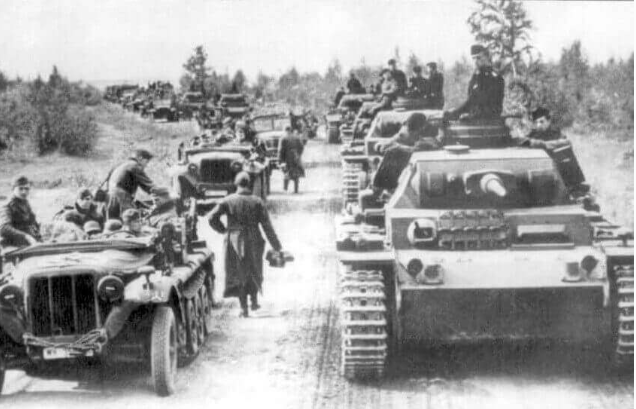
Launched on June 22, 1941, Operation Barbarossa assembled over 3 million German and Axis troops along a front exceeding 2,000 kilometers. The attack was divided into three main thrusts:
Northern Army aiming for Leningrad
Central Army advancing directly toward Moscow
Southern Army pushing into Ukraine and Stalingrad
This was the ultimate embodiment of blitzkrieg, as Hitler hoped to crush the Soviet forces quickly, repeating the swift conquests Germany achieved in Western Europe.
3. Early Successes: A Rapid, Crushing Advance
At the start, the German forces stormed forward with overwhelming force. The Soviet army was caught off guard, supply lines faltered, and defensive lines crumbled. Huge numbers of Soviet soldiers were encircled and captured, and cities fell one after another.
From Belarus to Ukraine, German troops advanced like mowing grass. The Soviet command structure and troop morale suffered severe blows. Many believed the war would end quickly.
4. Turning Point: Winter Arrives, Blitzkrieg Meets Its Waterloo
However, as time passed, critical problems emerged. The Germans were unprepared for the brutal Russian winter; their equipment and supplies faced severe shortages. Meanwhile, the Soviets, familiar with the terrain and harsh cold, mounted fierce resistance.
Moreover, Soviet manpower and industrial capacity far exceeded German estimates. Large-scale counteroffensives began, including the Battle of Moscow and the Battle of Stalingrad, turning the Eastern Front into a grueling war of attrition.
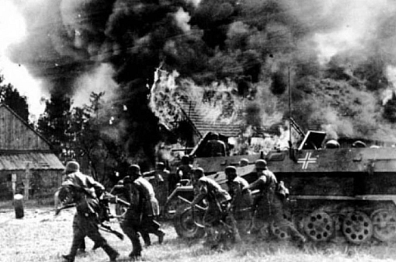
5. Reasons for Failure: Optimistic Plans Colliding with Reality
The main causes of Operation Barbarossa’s failure were:
Overextended supply lines, making sustained frontline operations impossible.
Underestimating Soviet resilience, including their mobilization and industrial strength.
Harsh climate conditions—especially the extreme winter—devastating German equipment and troops.
Overambitious strategic goals—attempting to capture three major cities simultaneously was unrealistic.
The shattering of Hitler’s “quick victory” hopes, leading to a prolonged and brutal war of attrition on the Eastern Front.
6. Historical Significance: A Key Turning Point in WWII
Though Barbarossa failed, it was one of the most important turning points in WWII. It:
Marked the beginning of the Soviet Union’s full-scale counteroffensive.
Drew massive German resources eastward, weakening their ability to fully oppose the Western Allies.
Altered the global balance, establishing the Soviet Union as a decisive power in the war’s outcome.
7. Conclusion: The Recklessness and Lessons of Barbarossa
Operation Barbarossa was an audacious and risky military gamble. It revealed Nazi Germany’s arrogance and exposed critical flaws in strategic planning.
This campaign teaches us that war is not just about calculations and plans—environmental conditions, logistics, and the enemy’s response can all become decisive factors.
Barbarossa was not just a military operation but a profound lesson in war, strategy, and confronting harsh realities.
https://www.aeverybody.com/the-ultimate-guide-to-world-war-ii-turning-points-decisive-battles-that-shaped-history/